
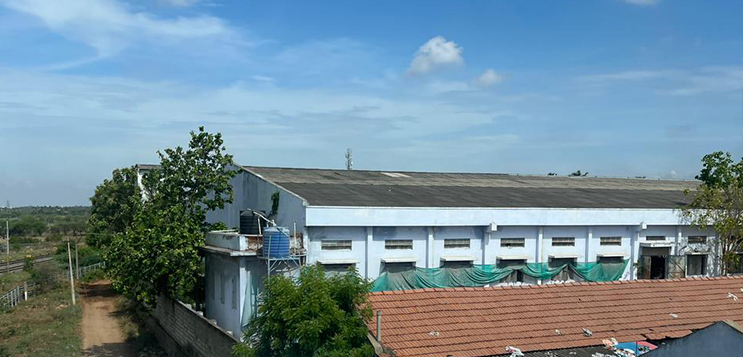
Change is in the air in Tiruppur. There was a time when its pollution stories used to make national headlines and the smell of chemical discharge had become part of the city’s industrial memory. But much has shifted since then. Taking a drive through the city feels different from the yesteryears. The familiar hum of textile production units is still there, but the transformation is also visible at the same time.
Of course, things took their time before these changes were finally visible. After the 2011 Madras High Court order pushed dyeing and bleaching units towards Zero Liquid Discharge, the city was forced to rethink its operating model. In essence, it was a hard reset for a cluster built on speed and scale. And despite all the challenges, Tiruppur managed to pull it off.
Read more: Can Tiruppur’s Comeback Save Indian Textiles?
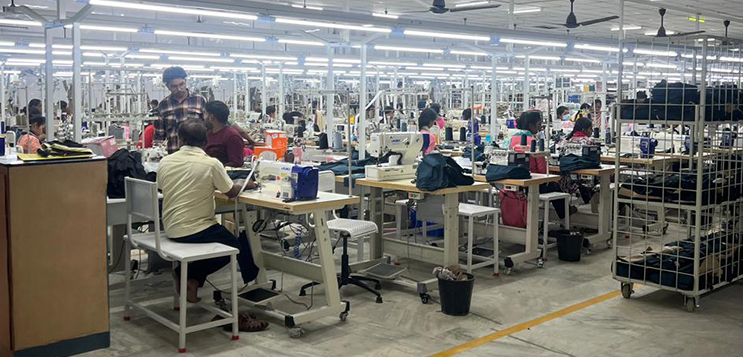
A new dawn in Tiruppur
The Coimbatore-Tiruppur cluster now accounts for nearly 55% of India’s knitwear exports, with knitwear exports worth around ₹45,000 crore in 2024-25. The region also provides employment to nearly six lakh workers. Modernisation has helped, immensely.
Under the Tamil Nadu Industrial Policy 2021, industries investing in environmental protection infrastructure, waste and water recycling, energy efficiency and pollution control can receive a 25% subsidy, up to ₹1 crore. This has helped the textile units to invest in effluent treatment systems, recycling units, biomass machinery and monitoring infrastructure.
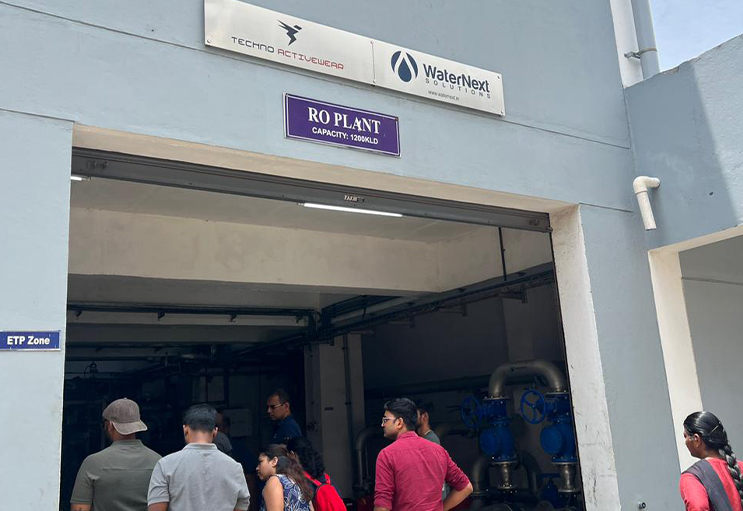
At Technosport’s activewear dyeing and fabric production unit in Perundurai, the shift towards more responsible use of natural resources is visible across the floor. Water used in the dyeing process is treated, separated and reused in the next production cycle. The facility uses biomass machinery and operates without coal or gas. The buzzing factory is a reminder of what India can achieve when policy is turned into practice.
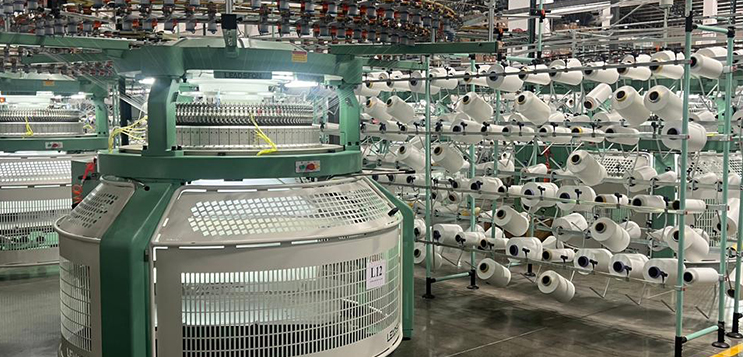
Alongside the factories, the city’s job market has also begun to change. Effluent treatment technicians, energy managers, compliance teams, safety officers and workers trained in cleaner production systems are now part of the new employment landscape across the cluster.
Ask around, and it is clear that people still remember what unchecked growth once cost the city. But today, Tiruppur is growing again, and this time, it is trying to grow sustainably.
