
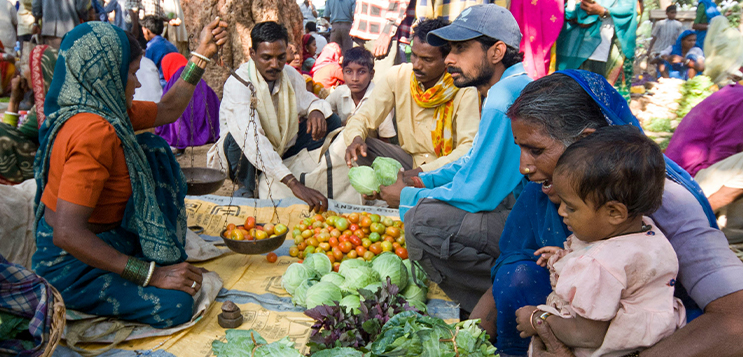
Indian news outlets often show our farmers throwing food on the highway or selling their produce in a distress sale. Truckloads of onions or tomatoes overturned at mandis. Vegetables sold for ₹1 or ₹2 a kilo, sometimes even less, because letting them rot costs more than giving them away. A well-established, properly connected cold chain could mean the difference between distress sales and dignified incomes, between wilted produce and the fresh vegetables on dinner plates tonight.
Every year, nearly 74 million tonnes of food never reach Indian consumers. The economic value of this loss, ₹92,000 crore annually, is staggering. To put it in perspective, the food India wastes each year could feed the entire population of Bihar for twelve months. In a country where malnutrition remains persistent, a staggering 40% of fruits and vegetables perish before consumption, keeps driving up food inflation and yet no one seems to be working towards a solution.
The first-mile failure in cold storage
The journey from harvest to market is biologically unforgiving. Once crops are harvested, they begin a rapid process of decay known as post-harvest senescence. In tropical climates like India’s, thanks to high temperatures and humidity, this process accelerates dramatically without temperature control.
The weakest link is the first mile itself. Studies show that up to 16% of fruits and vegetables are lost immediately after harvest, simply because farmers lack access to affordable pre-cooling and on-site storage. Produce wilts under the sun, bruises during handling, and begins losing both weight and quality before it even leaves the farms.
Not all crops rot equally
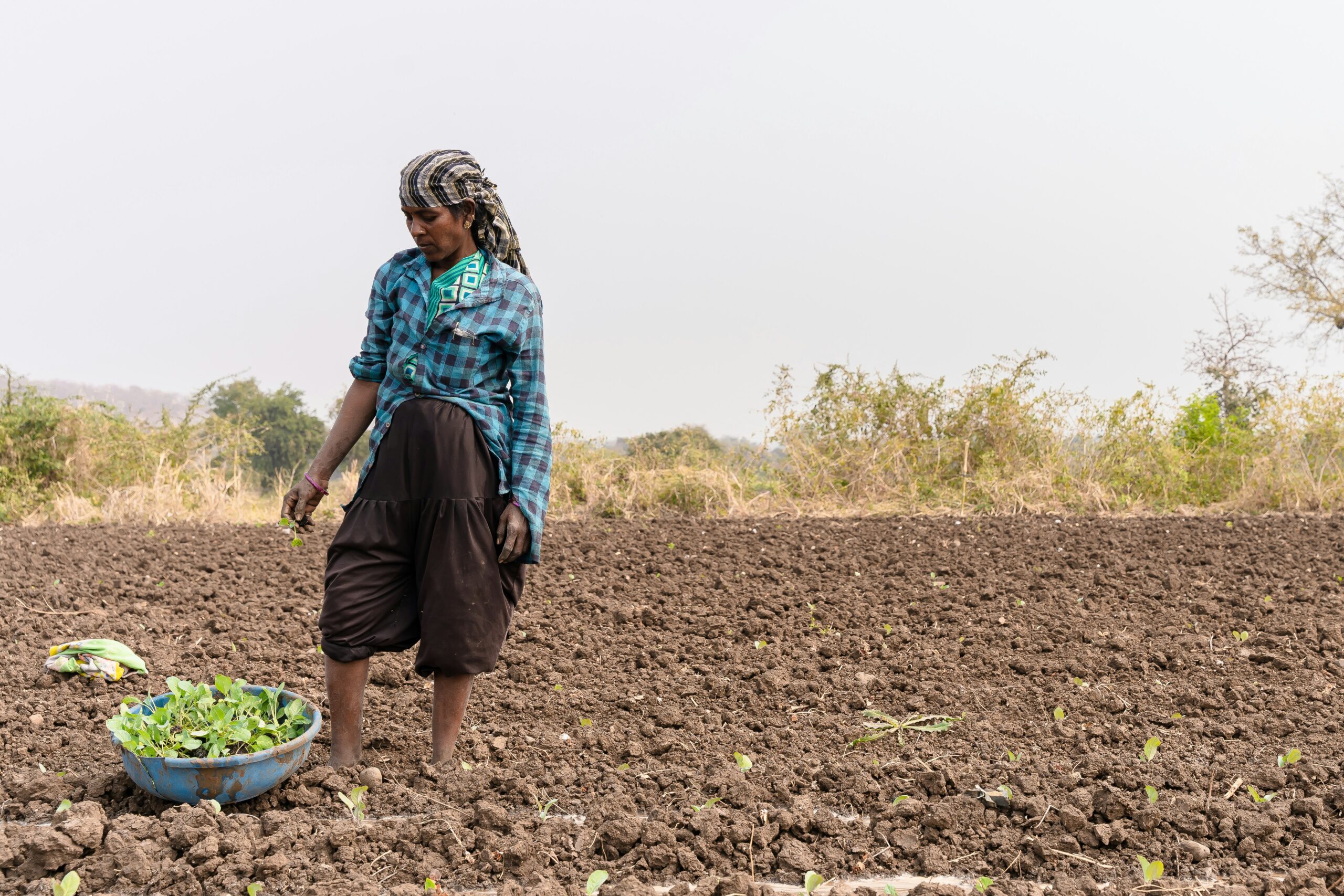
Post-harvest losses are not uniform across commodities. Crops with high respiration rates deteriorate faster and suffer disproportionately in the absence of cold storage.
According to a comprehensive NABCONS assessment covering 54 commodities, highly perishable crops like tomatoes and guavas lose over 11–15% of their volume, while even cereals and oilseeds, often considered hardy, see losses ranging between 4–7%. When aggregated across the system, these losses amount to an estimated ₹1.53 trillion (USD 18.5 billion) every year, all of which also drive up the prices of fresh produce all across the country.
| Crop Category | Specific Commodity | Farm Stage Loss (%) | Market Stage Loss (%) | Total Loss (%) |
| Fruits | Guava | 11.59 | 3.46 | 15.05 |
| Fruits | Mango | 6.03 | 2.5 | 8.53 |
| Fruits | Banana | 5.17 | 2.4 | 7.57 |
| Vegetables | Tomato | 8.37 | 3.25 | 11.62 |
| Vegetables | Cabbage | 5.83 | 2.32 | 8.15 |
| Vegetables | Onion | 5.31 | 1.96 | 7.27 |
| Cereals | Paddy | 4.16 | 0.61 | 4.77 |
| Cereals | Wheat | 3.61 | 0.83 | 4.44 |
| Oilseeds | Soybean | 6.58 | 0.93 | 7.51 |
| Plantation | Sugarcane | 6.8 | 0.53 | 7.33 |
To make matters worse, the financial loss is only one part of it. Every wasted tonne of produce also used the water drawn from an already-stressed water-source, helped absorb fertilisers into the soil, burned fuel during transport and released emissions during the cultivation process.
When food waste becomes a climate multiplier
Food waste has a climate footprint of its own. When discarded produce ends up in landfills or open dumps, it decomposes anaerobically, releasing methane, a short-lived climate pollutant that is up to 86 times more potent than carbon dioxide over a 20-year period.
India is already among the world’s largest methane emitters, with agricultural waste and unmanaged dumpsites playing a central role. In 2024 alone, India experienced extreme weather conditions on 331 out of 334 days. Heatwaves and unseasonal rains damaged 17.4 million hectares of crops, intensifying spoilage for produce that lacked temperature protection. A vicious cycle has emerged: climate change accelerates food spoilage, and food spoilage accelerates climate change.
A chain that breaks between cold storage points
India’s cold chain infrastructure has grown, but not nearly fast enough or evenly enough. As of mid-2025, the country operated around 8,815 cold storage units with a combined capacity of 40.21 million metric tonnes. Industry estimates suggest that at least 60–75 million metric tonnes are required to handle current horticultural output and meet export-grade quality standards.
The gap is even wider beyond warehouses. Less than 1% of India’s goods vehicles are refrigerated, creating a broken temperature chain during transit. As a result, 30–40% of perishable goods spoil while being transported. Even the world’s most advanced destination cold storage will be rendered ineffective if most of the goods are already spoiled by the time they reach there.
Reefer trucks, ripening chambers, and integrated pack-houses remain scarce. Without them, temperature-controlled environments collapse somewhere between the farm and the consumer.
| Infrastructure Component | Current Availability (2024-25) | Estimated Requirement | % Gap |
| Cold Storage Capacity | 40.2 Million MT | 60 – 75 Million MT | 33 – 46% |
| Reefer Vehicles | 10,000 Units | 62,000 Units | 84% |
| Ripening Chambers | 1,100 Units (Approx) | 9,300 Units | 88% |
| Integrated Pack-houses | Underdeveloped | ~70,000 Units | >90% |
The potato paradox in food wastage
India’s cold storage capacity suffers from a historical bias. Nearly 60–70% of national capacity is concentrated in just four states, namely, Uttar Pradesh, West Bengal, Gujarat, and Punjab, largely to support potato storage. Thus, roughly 75% of all cold storage units are dedicated to a single commodity.
This creates a paradoxical system. During the potato season, storage is overwhelmed. Outside it, warehouses lie underutilised while fruits, vegetables, meat, and dairy products perish for lack of compatible facilities. Many of these legacy units use outdated technology that cannot be adapted for multi-commodity use, leaving vast production zones, especially in Central and North-East India, critically underserved.
Powering cold chains in a hot economy
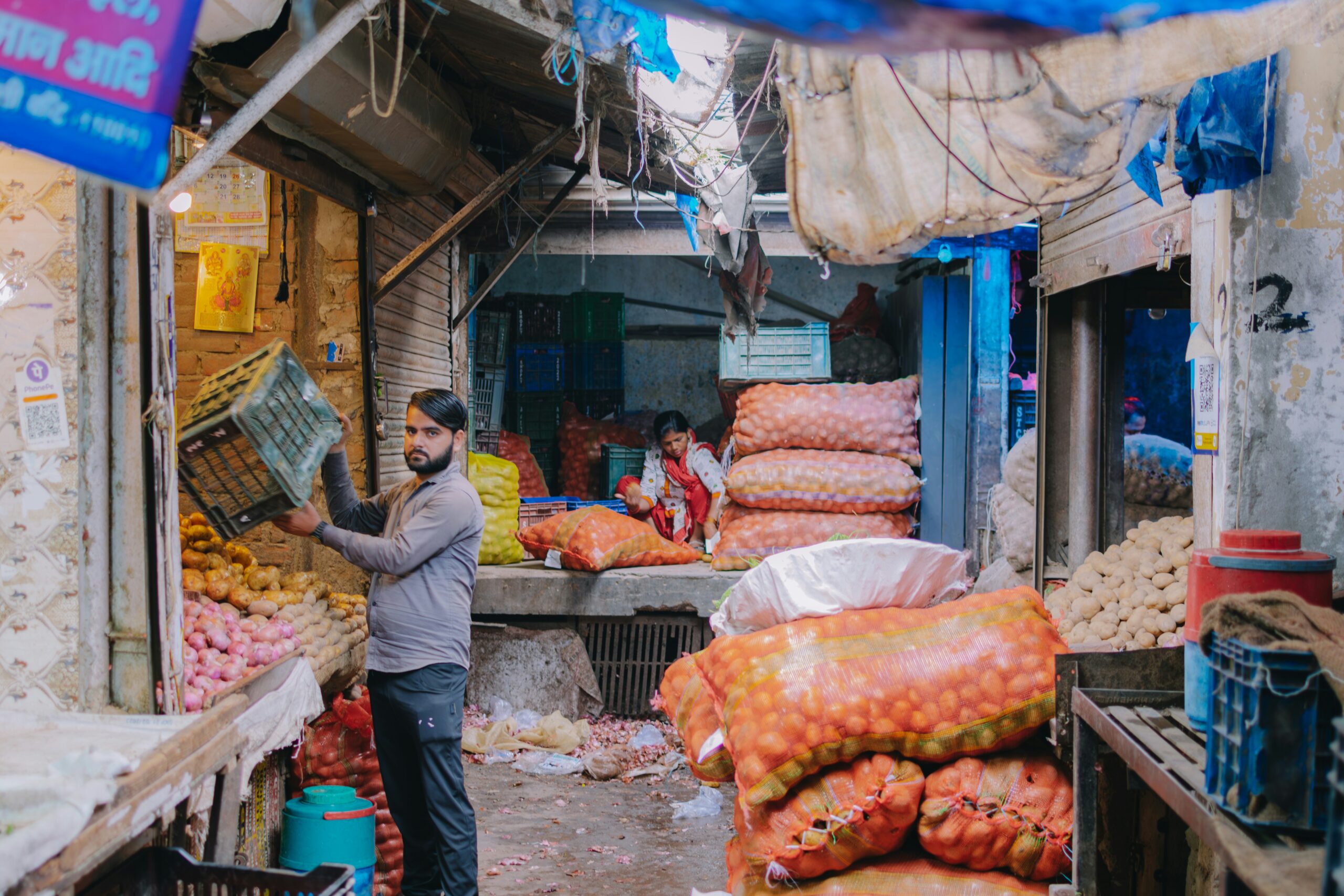
Operating a cold storage facility in India is expensive. Energy accounts for 35–45% of operating costs, compared to just 10% in Western economies. In rural areas, where grid power is unreliable and over 450 million people receive less than four hours of electricity daily, operators rely heavily on diesel generators. These generators are themselves quite expensive and increase emissions. At the end of the day, the entire system also discourages private investment.
Invisible spoilage, visible risk
The cold chain’s failures extend into retail and dark stores. Across India, spoilage-related losses in cold chain products are estimated at ₹200–600 crore annually. Most refrigeration units operate without real-time monitoring, meaning temperature deviations go unnoticed overnight.
The industry largely follows a reactive “break-fix” maintenance culture. Equipment failures are addressed only after breakdowns occur, often resulting in inventory losses of up to ₹5 lakh per incident. These losses are preventable yet persist due to the absence of predictive monitoring systems.
Farmers are forced into distress sales
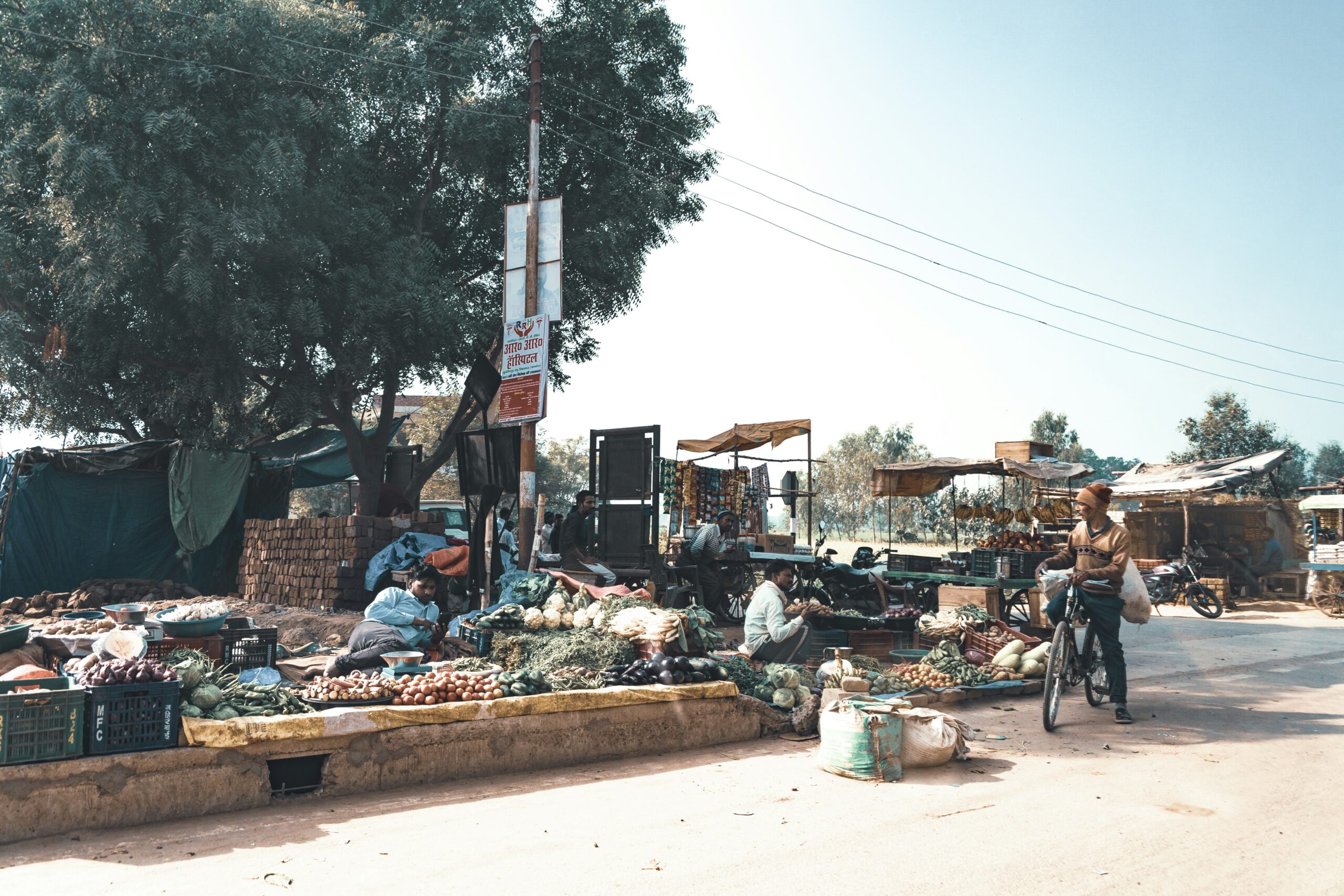
For small and marginal farmers, making up 86% of India’s agricultural population, the absence of storage is economically devastating. With an average landholding of just 1.08 hectares, investing in private cold storage is impossible.
Without storage, farmers are forced into distress sales during harvest gluts. Prices crash, and perishable produce leaves them with no bargaining power. In 2023, potato farmers in Haryana received ₹1.25–3 per kg, far below their ₹7–8 per kg cost of production. Access to storage could have increased incomes by 15–20%, simply by allowing time to wait for prices to stabilise.
In addition, credit remains elusive. Cold storage assets have low resale value, making them unattractive collateral. Risk-averse lenders avoid financing long-term agricultural infrastructure, perpetuating a cycle of underinvestment.
Government schemes like the Pradhan Mantri Kisan SAMPADA Yojana and the Agriculture Infrastructure Fund have mobilised investment and expanded capacity. Together, they have added tens of millions of tonnes of storage and processing infrastructure. Yet implementation remains uneven. Projects cluster in industrially stronger states, while regions with the highest losses, Bihar, the North-East, and parts of Central India, lag behind.
When will the cold revolution start?
Emerging solutions offer a glimpse of what a functional cold chain could look like. Decentralised, solar-powered cold rooms, thermal battery technology, and community-managed storage models are reducing dependence on unreliable grids. In Odisha’s Rourkela, women-led cooperatives managing solar cold rooms have demonstrated income gains of up to 60% for local farmers.
Almost all developed nations across the world have developed cold chain supply solutions that help both the farmers and consumers. But, here in India, we keep doing things the same old way. A modern, connected cold chain could curb inflation, preserve nutrition, lift rural incomes, and eliminate a large share of avoidable waste.
It begs the question: can the modern Vishwaguru not even protect our crops, or our fresh produce, or our citizens, or our farmers?
